Ventura County community guide
Santa Paula & Fillmore: Ventura County's Heritage Valley
Orchards, historic downtowns, new homes and small-town living along Highway 126
A different side of Ventura County
There's a beautiful stretch of Ventura County along Highway 126 where citrus orchards, farmland and mountain views are still part of everyday life. It's called the Heritage Valley, and two of its best-known communities are Santa Paula and Fillmore.
They're close neighbors, but each has its own personality. Santa Paula has a rich agricultural and aviation history, a downtown full of murals, and a newer community called Harvest at Limoneira. Fillmore has a small-town downtown, deep railroad roots, and a setting between the mountains and the Santa Clara River.
If you're curious about this part of the county, whether for a weekend visit or a move, this guide is a good place to start.
The short version
Santa Paula and Fillmore are communities in Ventura County's Heritage Valley, known for citrus orchards, agricultural history, mountain scenery and historic downtowns. Santa Paula is home to Harvest at Limoneira, a newer master-planned community with a recreation center, parks and trails. Fillmore is known for its railroad history and traditional downtown. Both have older homes, newer homes and rural properties nearby, and Highway 126 connects them to Ventura to the west and the Santa Clarita Valley to the east.
The Heritage Valleywhere farming is still part of the view
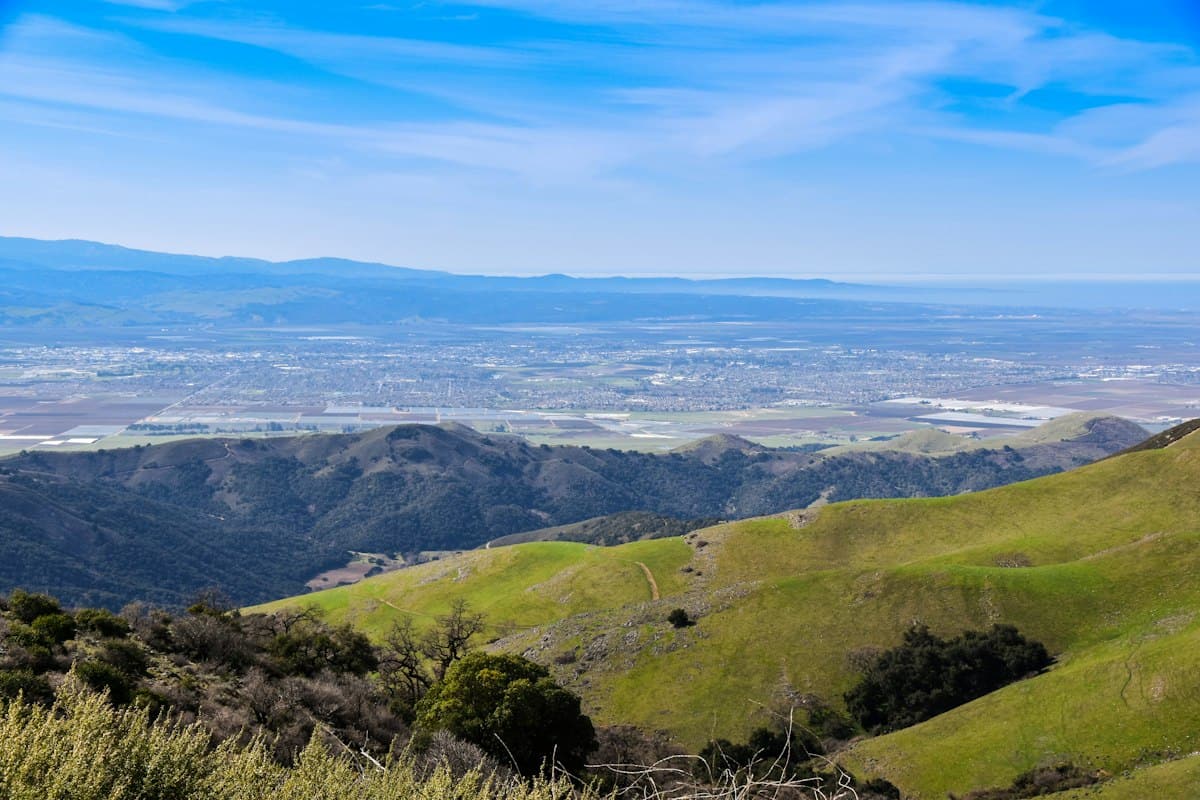
The Santa Clara River Valley runs through eastern Ventura County and connects Santa Paula, Fillmore and the nearby community of Piru. Highway 126 passes citrus orchards, avocado groves, farms and mountain scenery along the way.
In a lot of places, agriculture is something you read about in a museum. Here you can still see working orchards and fields from the road. That farming character is one of the valley's most recognizable features, and it is a big part of why people love this area.
Santa Paulathe Citrus Capital of the World
Santa Paula calls itself the Citrus Capital of the World. Its history is tied to the fertile river valley, the growth of the citrus industry, and companies like Limoneira. At the 2020 Census the city had 30,657 residents.
The surrounding mountains make a beautiful backdrop, and the orchards give the city a look of its own. You'll find older neighborhoods, historic homes, downtown buildings and newer developments, all within a few miles of each other. If you'd like to see what's happening with homes here, you can find the basics on my Santa Paula page.
Downtown Santa PaulaMain Street and the murals
Downtown Santa Paula is one of the more interesting historic districts in Ventura County. Along Main Street you'll find older commercial buildings, local restaurants, shops and architecture from the city's early years.
The murals are a highlight. Through the Santa Paula Mural Project, murals have been painted to show scenes from the town's history, including agriculture, aviation, the railroad and the people who shaped the community. Walking downtown is a fun way to find those stories one wall at a time.
Santa Paula also has a tradition of local events. Depending on the year, downtown has hosted things like car shows, parades, seasonal celebrations and community festivals, so check the City of Santa Paula for what's coming up.
The Glen Tavern Inn
One landmark you'll notice downtown is the Glen Tavern Inn. It was built in 1911, when Santa Paula was a growing oil town, and it is listed on the National Register of Historic Places. It has stayed in use as a hotel for over a century, which makes it one of the best-known buildings from Santa Paula's early days.
Harvest at Limoneiranew homes with an orchard story
One of Santa Paula's biggest newer communities is Harvest at Limoneira. It sits near Highway 126 on land tied to the historic Limoneira agricultural operation, long known for lemons and avocados. The community is master-planned, with homes, parks, trails and a central recreation center, and it advertises about 225 acres of open space.
What I find interesting is how the neighborhood keeps a link to the area's farming past. Community gardens and orchard-themed spaces are part of the plan. If you're wondering what residents can do with the orchards, such as picking fruit, ask the community association what is offered today and what the rules are, because those details can change.
The Farmhouse recreation center
The center of the community is The Farmhouse, its main gathering and recreation spot. The builder's community pages describe features such as:
- A swimming pool and spa
- A fitness center and yoga room
- Gathering and lounge areas
- Community gardens
- Barbecue areas and play areas
- A dog park
Amenity lists vary by neighborhood and can change, so confirm what comes with the specific home you're looking at, along with the homeowners association dues.
Parks, trails and the Santa Paula Creek Sports Park
Harvest at Limoneira includes landscaped parks and multi-use trails that connect its neighborhoods with the surrounding hills.
Nearby is the Santa Paula Creek Sports Park, a 37-acre park that opened in 2025. It has an inclusive playground, basketball courts, walking trails, barbecue areas, an amphitheater and a community garden, and more is planned in a later phase. It is separate from the residents-only Farmhouse amenities and open to the wider community.
Homes at Harvest
Harvest at Limoneira has several neighborhoods and building phases, with different floor plans, lot sizes and styles. Which homes are available, who is building them and what the homeowners association covers can differ from one neighborhood to the next. Whenever you want to compare them, call or text me and I'll help you sort it out. You can read more about buying new construction further down this page.
Santa Paula Airport and its aviation history
Santa Paula is also known for aviation. The airport was dedicated in 1930 and has long attracted pilots and aircraft lovers, especially people who care about antique and classic planes.
The Aviation Museum of Santa Paula tells that story. Its displays are set up in the airport's hangars rather than one big building. The museum has been open on the first Sunday of each month, free to visit, and closed on rainy days, but hours can change, so check the museum's website before you go.
Sunburst Railbikesthe orchards from the rails
One of the most unusual things to do in the Heritage Valley is ride a railbike. Sunburst Railbikes runs electric-assist bikes that seat two people, on historic railroad tracks that run through citrus and avocado groves. You pedal as much or as little as you like.
Rides start at the historic Santa Paula Depot, and the main route stops at Prancer's Farm. On select dates they also offer longer trips that go farther toward Fillmore, and they have seasonal rides during the year. Routes and dates change, so look at the Sunburst Railbikes website for what's running.
It's a nice way to see the valley from a view you don't get from Highway 126.
Prancer's Farm
Prancer's Farm is a family-run working farm along Highway 126, with produce, a petting zoo, and seasonal events such as a fall pumpkin patch. It is also a stop on the railbike route. Check their website for current hours and activities.
Outdoors around Santa Paula
Santa Paula is surrounded by hills, canyons and open space.
Santa Paula Canyon and the Punch Bowls. The Santa Paula Canyon Trail leads to a series of natural pools called the Punch Bowls. This is a serious hike, not a casual walk, and parts of the route can be rough. Trail conditions and access change, so check with the Los Padres National Forest before you head out.
Steckel Park. North of town along Santa Paula Creek, this park has picnic areas, trees and a setting beside Santa Paula Creek.
Highway 150. This scenic road connects Santa Paula to the Ojai Valley, passing farmland and hills.
Homes in Santa Paula
Santa Paula has a mix of housing. Near downtown you'll find older homes from different periods, including Craftsman and Spanish-style architecture. Other parts of the city have single-family neighborhoods, townhomes and tree-lined streets. Harvest at Limoneira adds newer master-planned housing. Around the city there are also hillside properties and larger rural parcels, some outside the city limits.
Fillmorerailroad roots and a small-town downtown
Head east from Santa Paula on Highway 126 and you'll reach Fillmore. The town was founded in 1887 when the Southern Pacific Railroad came through, and it grew up as a railroad and farming town. At the 2020 Census it had 16,419 residents.
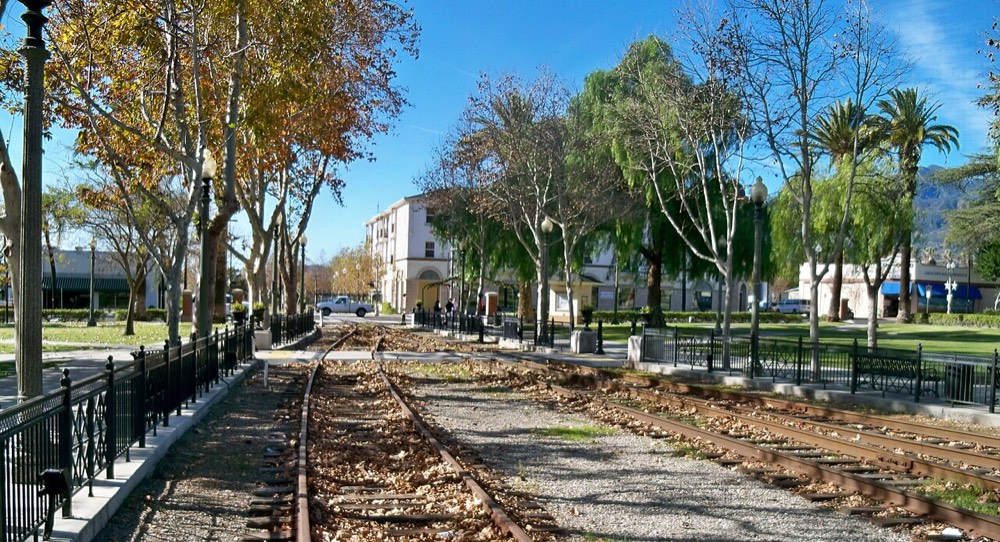
You can still see that history today. Downtown has traditional storefronts, older buildings and a small-town feel that is quite different from the county's larger cities. The old railroad corridor and depot area are a big part of the town's identity.
Historic downtown Fillmore
The historic streets and buildings have kept much of the town's early character. Downtown has local businesses, restaurants and places to gather, and its look is so well preserved that it has been used as a filming location for movies and television. Visit the City of Fillmore site for events and information.
Fillmore Historical Museum and the railroad district
The Fillmore Historical Museum is the place to learn the town's story. It includes the restored 1887 Southern Pacific depot, railroad exhibits and the Hinckley House, a 1905 Craftsman home that was moved to the museum site. The railroad district is one of the best spots to see what early Fillmore was like.
The railbike rides I mentioned earlier also tie into Fillmore's railroad story. On select dates, longer excursions travel farther toward Fillmore.
Parks and outdoors around Fillmore
Central Park. Fillmore's first public park is near downtown, at Central Avenue and Main Street, and is a gathering place for community events.
Fillmore Aquatics Center. The city has a swimming facility that has been open seasonally. Hours change, so check with the city.
Fillmore Trout Hatchery. The California Department of Fish and Wildlife runs this hatchery just east of town. Visits have been self-guided during daytime hours. See the state's hatchery page for current hours.
Sespe Wilderness. The mountains north of Fillmore lead into Los Padres National Forest and the Sespe Wilderness, known for rugged hiking and wildlife habitat.
Lake Piru. East of Fillmore, Lake Piru is known for boating, fishing and camping. It is run by United Water Conservation District, and lake levels and rules change, so check before you go. Lake Piru is outside Fillmore's city limits, but it's a well-known nearby spot.
Homes in Fillmore
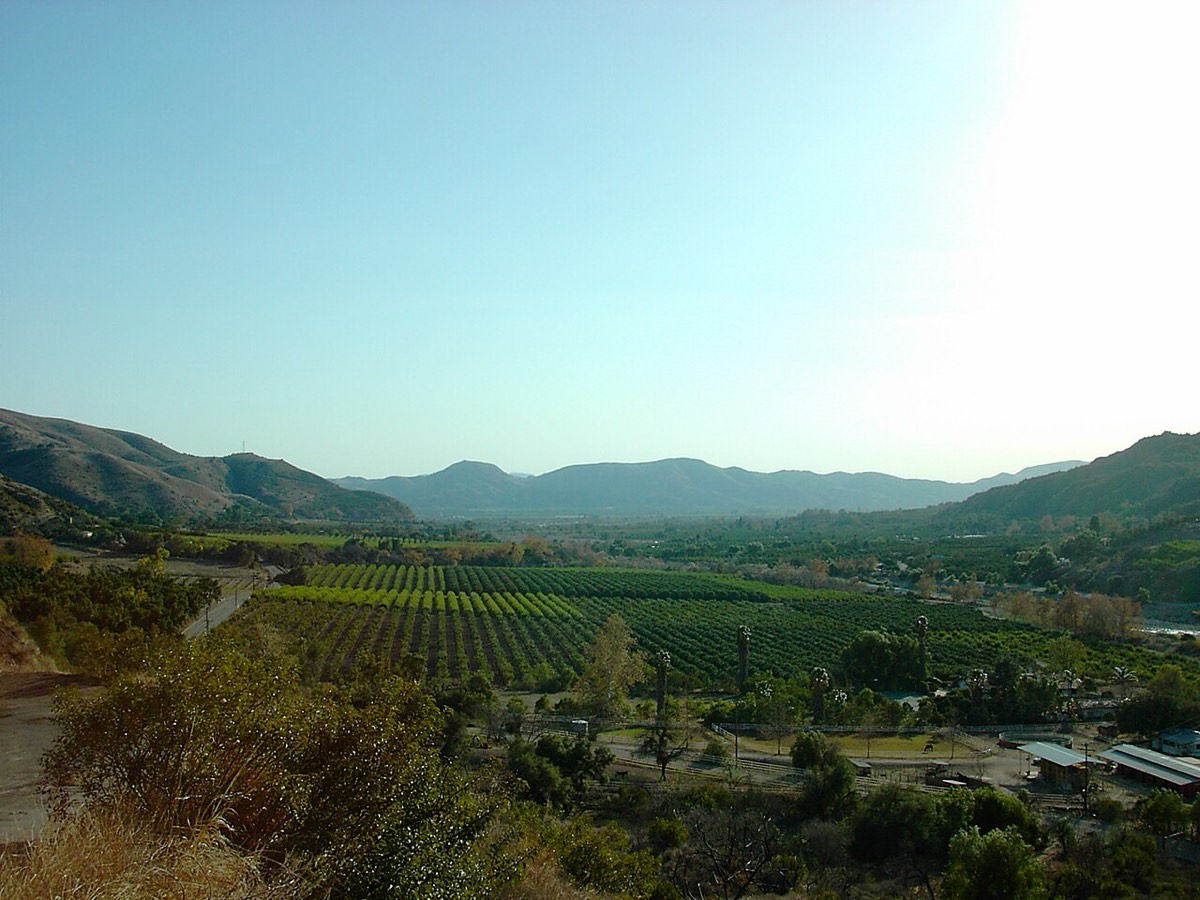
Fillmore offers a range of settings, from older homes near downtown to newer developments and rural properties in the surrounding area. You can read more on my Fillmore page.
New construction in Santa Paula and Fillmore
One reason these communities get attention is the newer housing. Buyers comparing homes around Ventura County sometimes find that a newer home here is worth a look next to what's available in other parts of the county. Prices vary a lot by neighborhood and by month, so I don't make promises about cost. I can show you what comparable homes are selling for when you're ready to compare.
Newer homes can come with contemporary floor plans, open living spaces, energy-efficient features and community amenities that older homes don't always have. Harvest at Limoneira is the best-known example in Santa Paula. Fillmore also has newer development, though available communities, builders and prices change as projects move forward, so I'll confirm what is current when you call.
A low advertised price does not always mean a low final price. When you compare, look at lot premiums, design upgrades, landscaping, solar arrangements, homeowners association dues, special assessments and financing offers. If a builder offers a financing incentive, it's worth comparing that with outside financing too.
Thinking about buying a brand-new home? Let's talk before you visit the builder
The sales representatives at a new-home community work for the builder. Having your own Realtor means someone is looking out for you as you compare communities, read the builder's contract, weigh incentives and work through the purchase.
Some builders also have rules for buyers who bring their own agent, and those often apply on your first visit or first online registration. It's best to connect with me before you go. Call or text (805) 300-0962, or get in touch. You can also read how I guide buyers on my buying steps page.
Between the beaches and the Santa Clarita Valley
One of the nice things about the Heritage Valley is where it sits. Highway 126 connects Santa Paula and Fillmore with Ventura to the west and with the Santa Clarita Valley to the east. Santa Paula is the closer of the two to the Ventura Pier, and Fillmore is farther east and closer to Santa Clarita.
The pier, the beaches, the promenade and downtown Ventura are all part of a day out on the coast. For a closer look at that side of the county, read my Ventura community guide. If boats, kayaking, wildlife trips or the islands interest you, see my Channel Islands and harbors guide.
Santa Paula and Fillmore side by side
They share historic roots and valley scenery, but day to day they feel different.
- Santa Paula has the larger historic downtown, the aviation tradition, and newer communities like Harvest at Limoneira.
- Fillmore has the smaller downtown, a strong railroad identity, and a location farther east toward the Santa Clarita Valley.
Both have older homes, newer developments and rural properties nearby.
Living in the Heritage Valley
There's something special about driving through the valley and seeing rows of citrus trees against the mountains. In both towns the history is still visible, in the downtown buildings, the railroad landmarks and the working orchards.
Whether you're planning a visit, thinking about a move, or just exploring another part of Ventura County, Santa Paula and Fillmore are worth a closer look. When you're ready to talk about homes here, I'm happy to help.
Frequently Asked Questions
What is Santa Paula known for?
Santa Paula is known for its citrus orchards, agricultural heritage, downtown murals, aviation history, and newer communities such as Harvest at Limoneira. The city calls itself the Citrus Capital of the World.
What is Fillmore known for?
Fillmore is known for its historic downtown, railroad history, mountain scenery and small-town setting in the Santa Clara River Valley. The town was founded in 1887 with the arrival of the Southern Pacific Railroad.
What is Harvest at Limoneira?
Harvest at Limoneira is a master-planned residential community in Santa Paula with newer homes, parks, trails, a central recreation center called The Farmhouse, and community gardens. It is built near the historic Limoneira agricultural operation.
What amenities does Harvest at Limoneira have?
The builder's community pages describe The Farmhouse, with a pool, spa, fitness center, yoga room and gathering areas, along with community gardens, a dog park, barbecue areas, parks and trails. Amenities can vary by neighborhood and change over time, so confirm them for the home you are considering.
What is the Santa Paula Creek Sports Park?
It is a 37-acre park near Harvest at Limoneira that opened in 2025. It has an inclusive playground, basketball courts, walking trails, barbecue areas and an amphitheater, and more is planned in a later phase.
Are there rail experiences in the Heritage Valley?
Yes. Sunburst Railbikes runs electric-assist, two-person railbikes along historic tracks through citrus and avocado groves, starting at the Santa Paula Depot. On select dates there are longer trips that go toward Fillmore. Check the operator's website for current routes and dates.
Are Santa Paula and Fillmore close to Ventura's beaches?
Both are connected to Ventura by Highway 126. Santa Paula is the closer of the two to the Ventura Pier, and Fillmore is farther east.
Are Santa Paula and Fillmore near the Santa Clarita Valley?
Yes. Highway 126 connects both communities to the Santa Clarita Valley. Fillmore is farther east and closer to Santa Clarita than Santa Paula is.
Does Santa Paula have new construction homes?
Yes. Santa Paula has newer residential communities, including Harvest at Limoneira. Available homes and builders vary by construction phase.
Does Fillmore have new construction homes?
Fillmore has seen newer residential development. Which communities, builders and prices are current changes often, so ask me and I will confirm what is available.
Can I use my own Realtor when buying new construction?
Buyers can generally choose their own representation. Some builders have registration requirements for buyers who bring an agent, so it helps to talk with your agent before your first visit or online registration.
Why talk to a Realtor before visiting a new-home builder?
Builder sales representatives work for the builder. Your own agent can help you compare communities, understand the builder's contract, weigh incentives and work through the process. Some builders also ask for agent registration at your first visit.
About the author
Deb Chakko, REALTOR®, Keller Williams Exclusive Properties, a longtime Ventura County resident. Call or text (805) 300-0962, or get in touch.
Keep exploring
Ready to make your move with Deb Chakko?